Translating brand into space
The strongest hospitality brands aren’t built through branding alone. They’re built through consistency - between story, space and experience. The brands people remember most are the ones where every touchpoint feels connected: from the visual identity and architecture to the interiors, atmosphere and emotional connection a place creates. For today’s hospitality operators, that presents both an opportunity and a challenge.
Guests expect more than beautiful spaces; they want experiences that feel immersive, memorable and rooted in a clear sense of place. Increasingly, it’s this emotional connection, not just aesthetics, that drives loyalty, dwell time and premium positioning. At S+Co, this is where every project begins.
THE BIG PICTURE
“We always start by understanding what makes a hospitality brand distinct,” says founder and Creative Director Adam Storey. “How should people feel when they arrive? What should they remember afterwards? Once you understand that, every design decision - from architectural plans to lighting, materials and signage - becomes part of telling the same story.”
We never treat branding, architecture and interiors as separate disciplines. The process begins with understanding a concept’s personality, audience and sense of place before translating those ideas into physical and sensory experiences.
PROJECT BY PROJECT
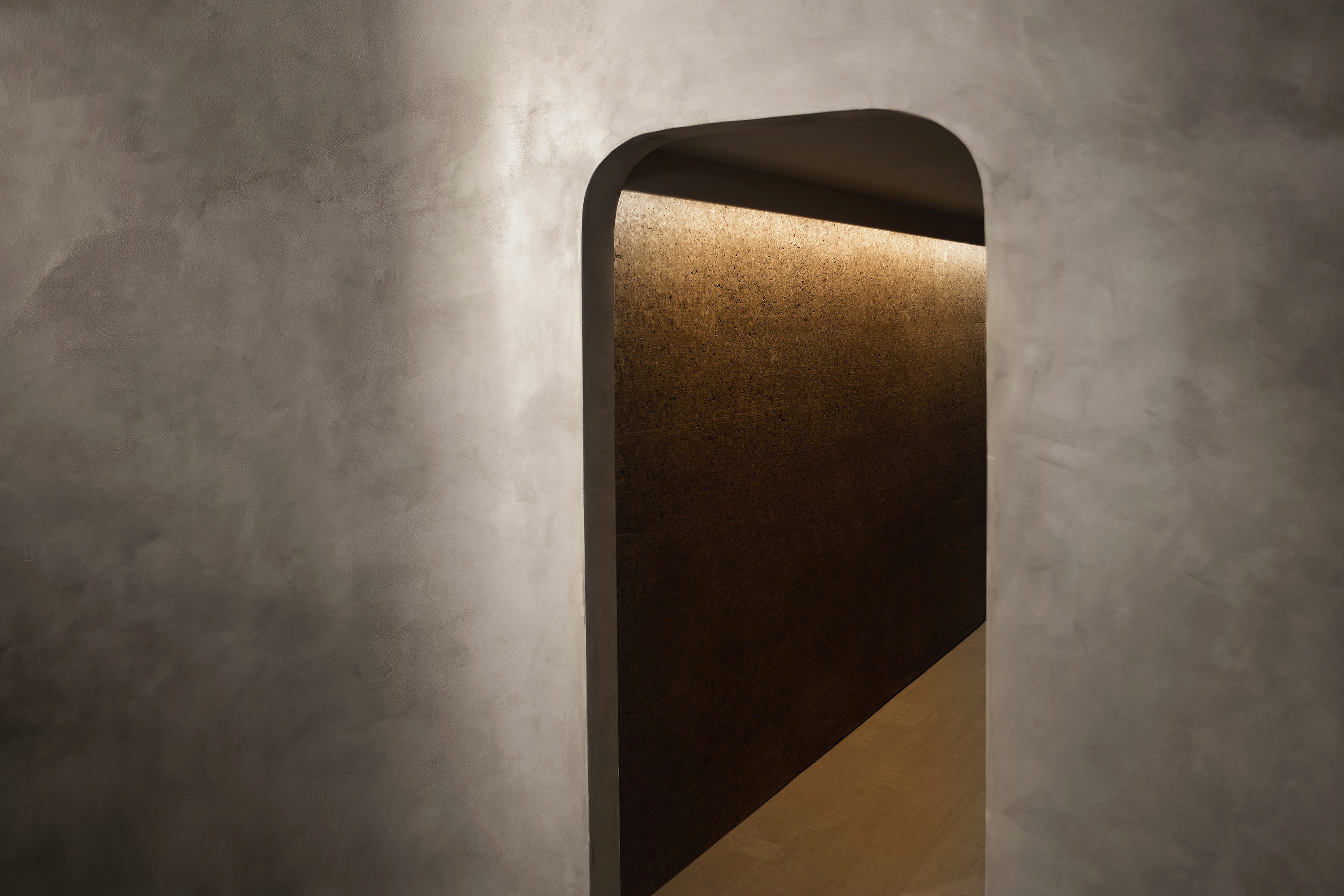
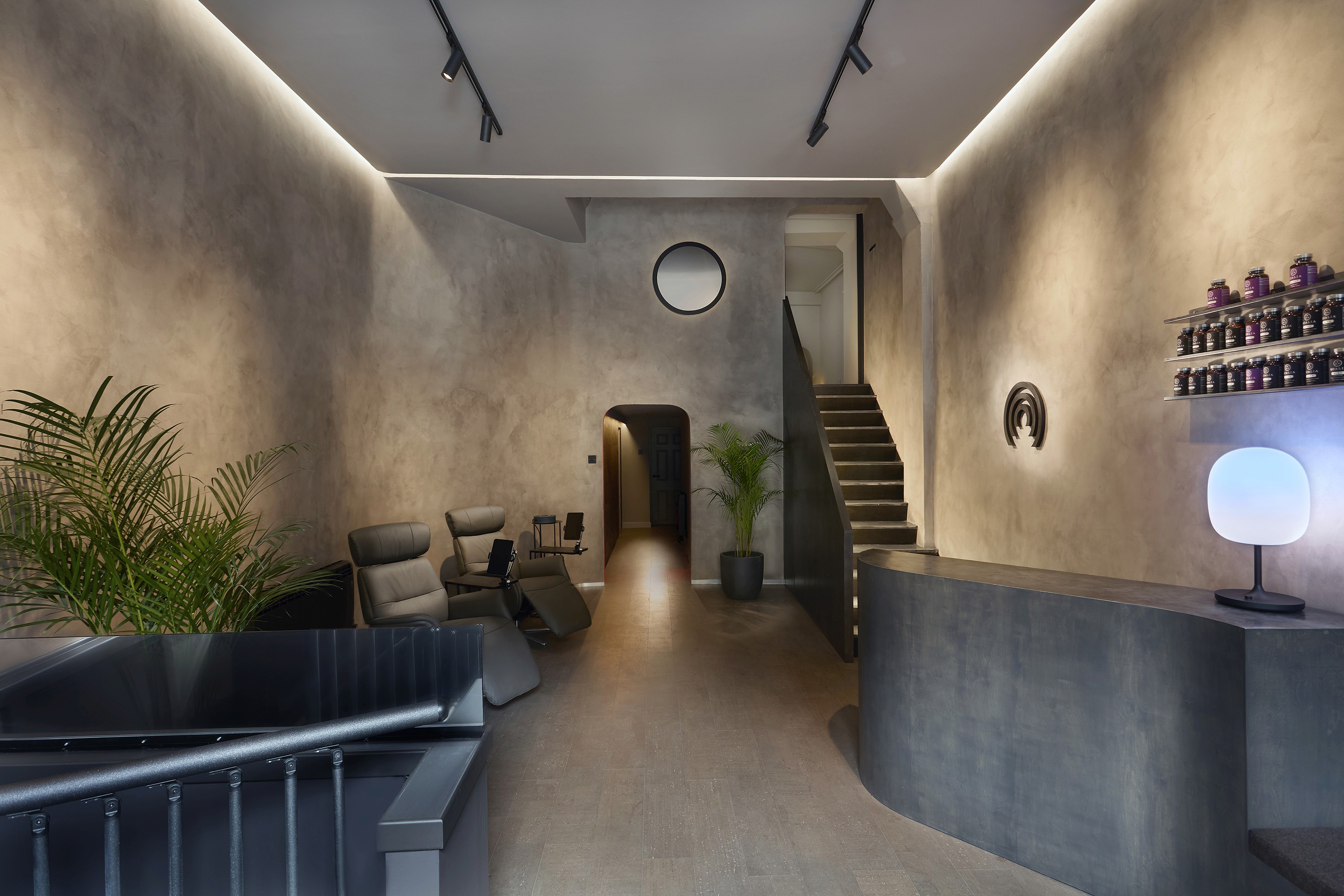
A wellness destination such as Holon in Glasgow (above) called for a calm, tactile environment that softened the clinical feel often associated with advanced health treatments. Muted materials, layered lighting and carefully considered spatial flow were used to create a contemporary wellness experience rooted in the rhythm and character of an urban high street setting rather than a remote spa retreat.
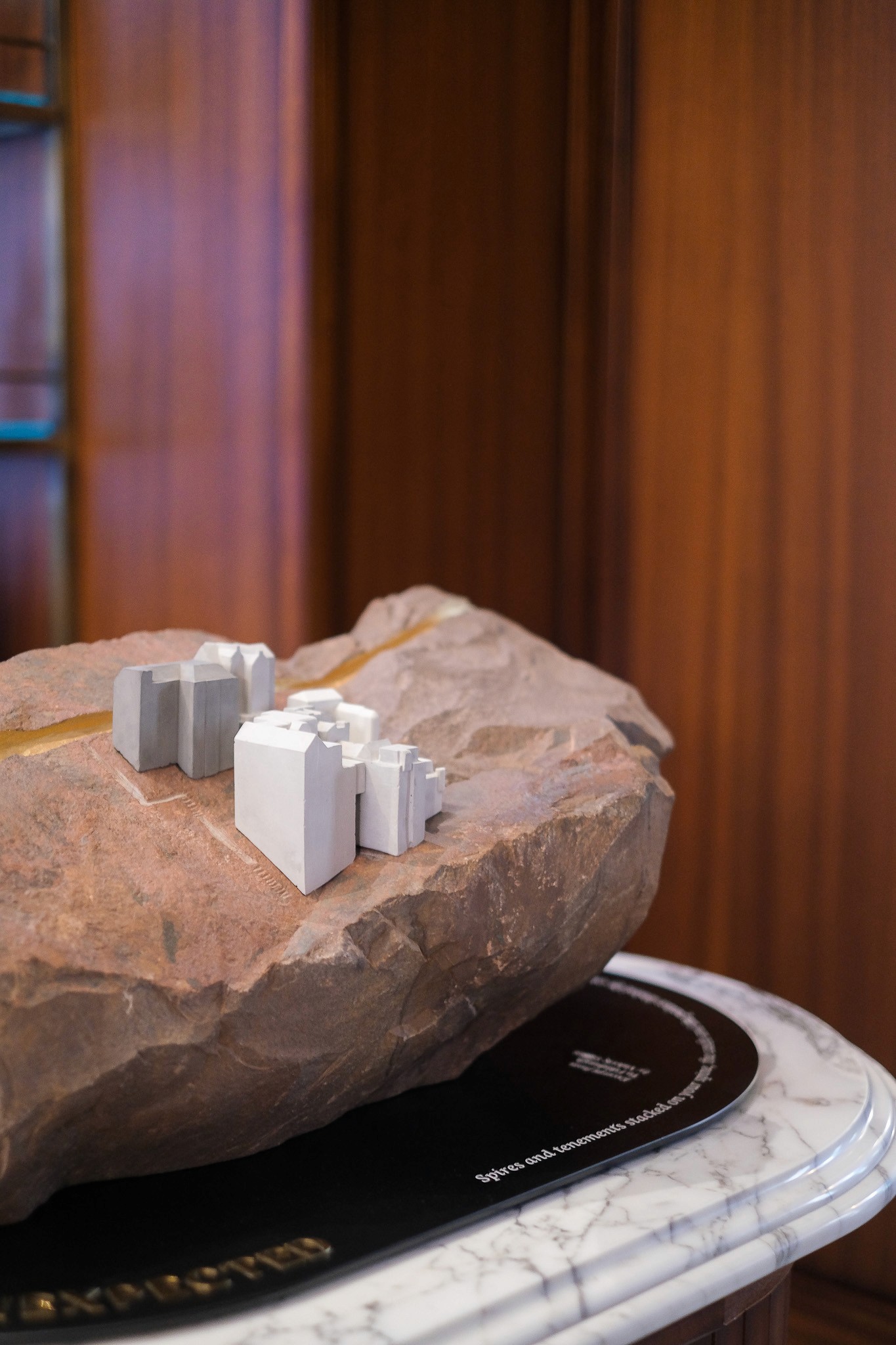
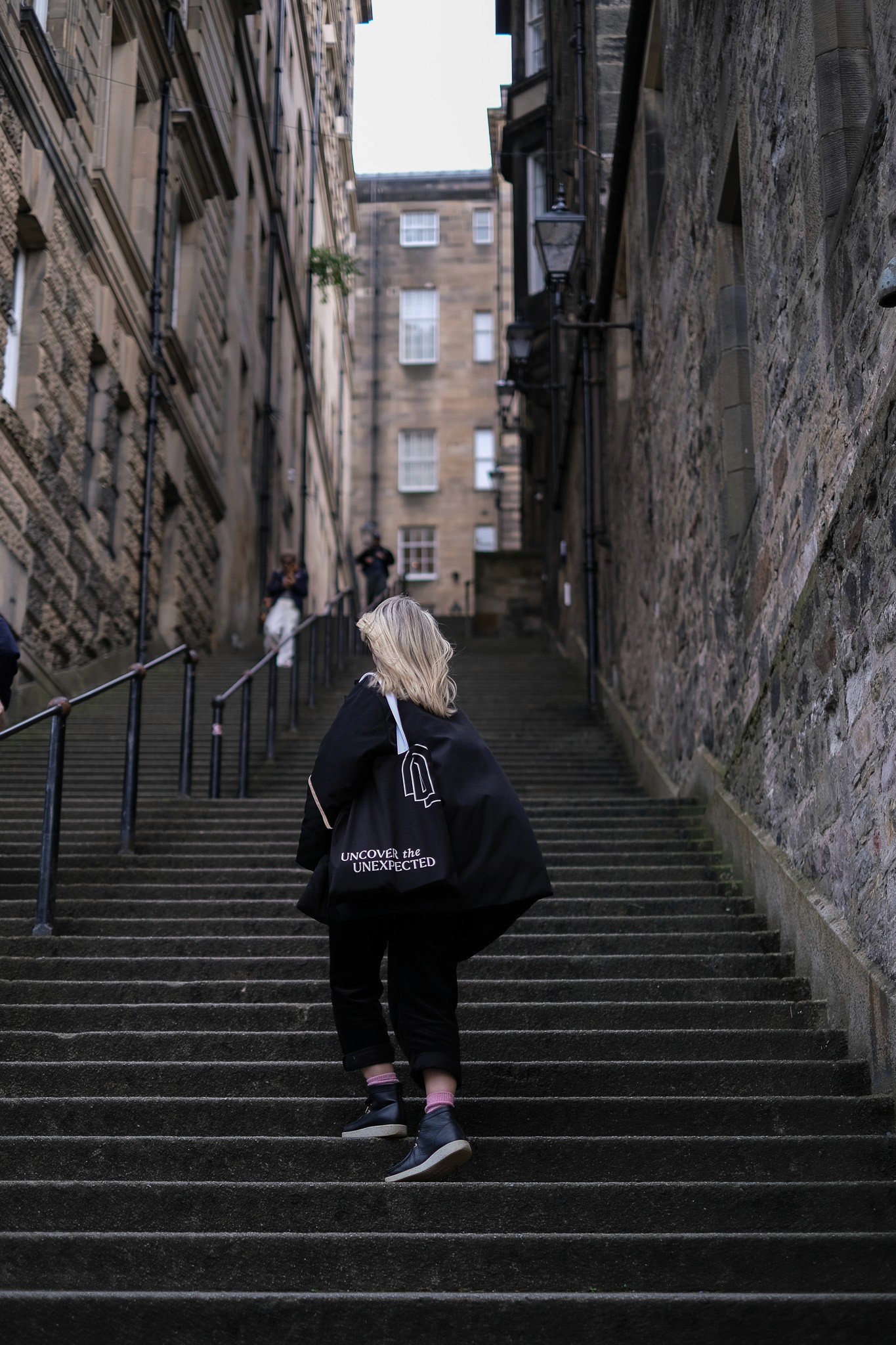
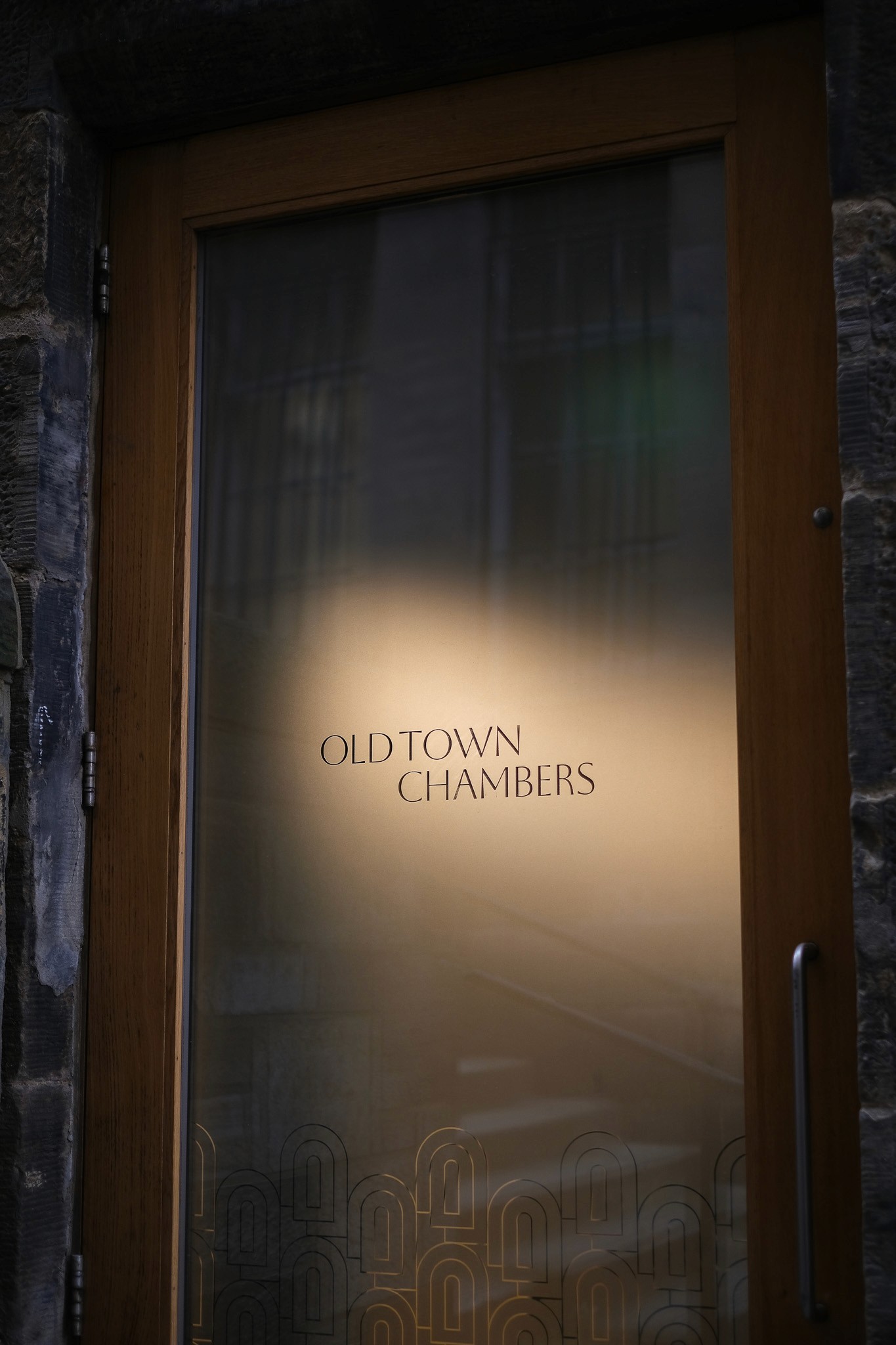
Meanwhile at Old Town Chambers (below), the challenge was entirely different. As the property joined Marriott’s Autograph Collection, S+Co developed a brand concept rooted in the layered history and geology of Edinburgh’s Old Town. The idea, ‘Uncover the Unexpected’, shaped everything from the visual identity and signage to a sculptural ‘Mark’ carved from volcanic stone sourced from the same rock formation as Arthur’s Seat, transforming the brand story into something guests could physically experience throughout their stay.
Although the projects differ dramatically in style and setting, the principle is the same: the most memorable hospitality experiences are the ones that feel inseparable from their environment.
making places that connect
Increasingly, the strongest hospitality brands aren’t defined solely by interiors or visual identity, but by how deeply they connect guests to a particular atmosphere, landscape or way of life.
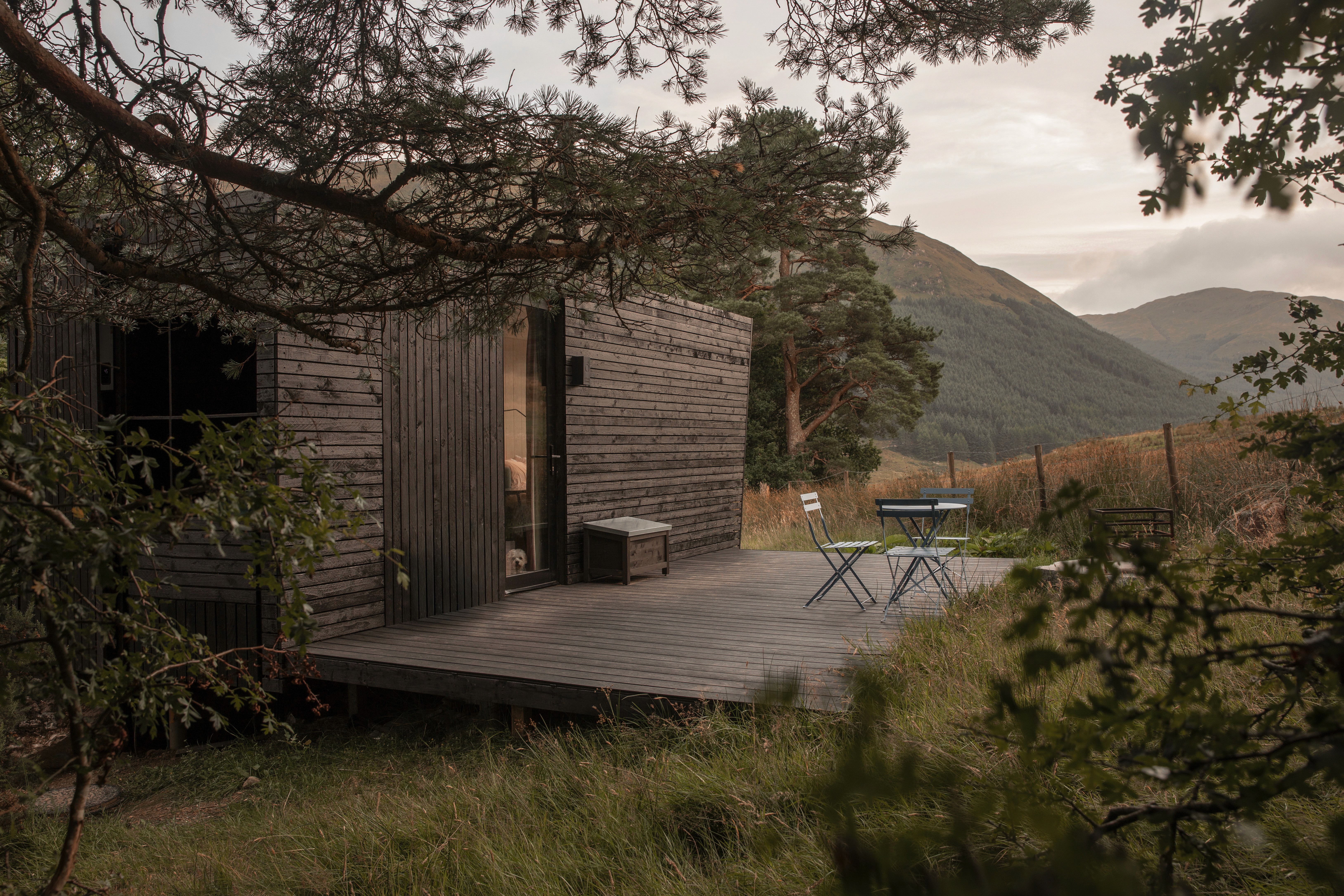
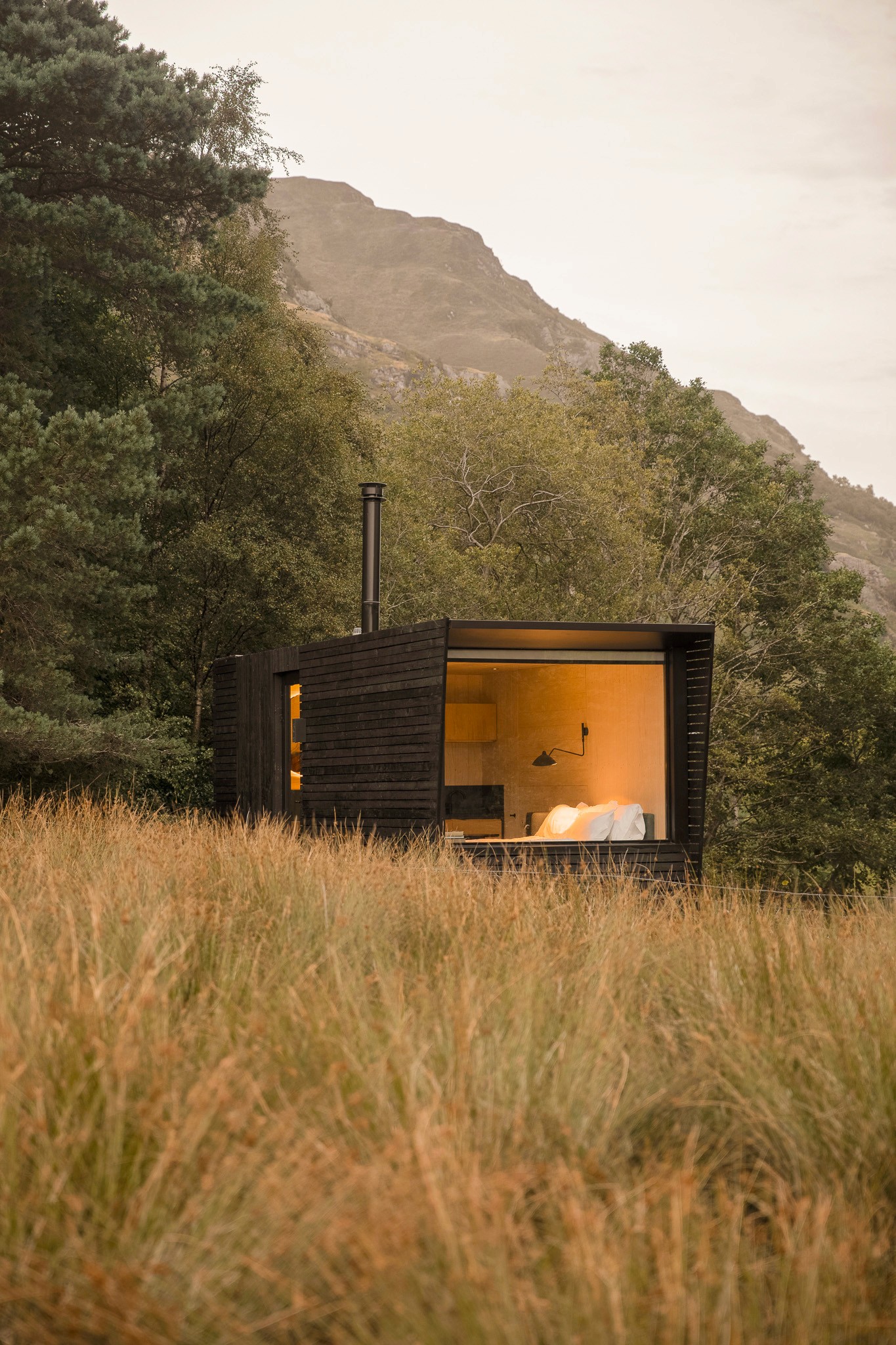
That same thinking underpins Corr Cabins, founded by Adam five years ago as a way to explore hospitality through a more landscape-led lens. Rather than treating cabins as isolated accommodation units, Corr approaches them as part of a wider placemaking strategy, carefully considering how architecture, interiors and positioning within the landscape shape the overall guest experience.
This month marks five years since Corr’s first cabin opened at Monachyle Mhor in Perthshire. Known for its relaxed luxury, warmth and connection to the outdoors, Monachyle Mhor became the perfect setting to test the idea that accommodation could deepen the emotional experience of a destination itself.
“It wasn’t about creating accommodation in isolation,” says Adam. “The cabin had to feel connected to the experience Monachyle Mhor was already known for - the atmosphere, the landscape, the sense of escape.”
The project demonstrated how accommodation could become an active extension of a hospitality brand - an approach we continue to evolve through larger-scale destination projects such as our collaboration with Isle of Raasay Distillery.
The strongest hospitality brands aren’t defined solely by interiors or visual identity, but by how deeply they connect guests to a particular atmosphere, landscape or way of life.
LED BY THE LANDSCAPE
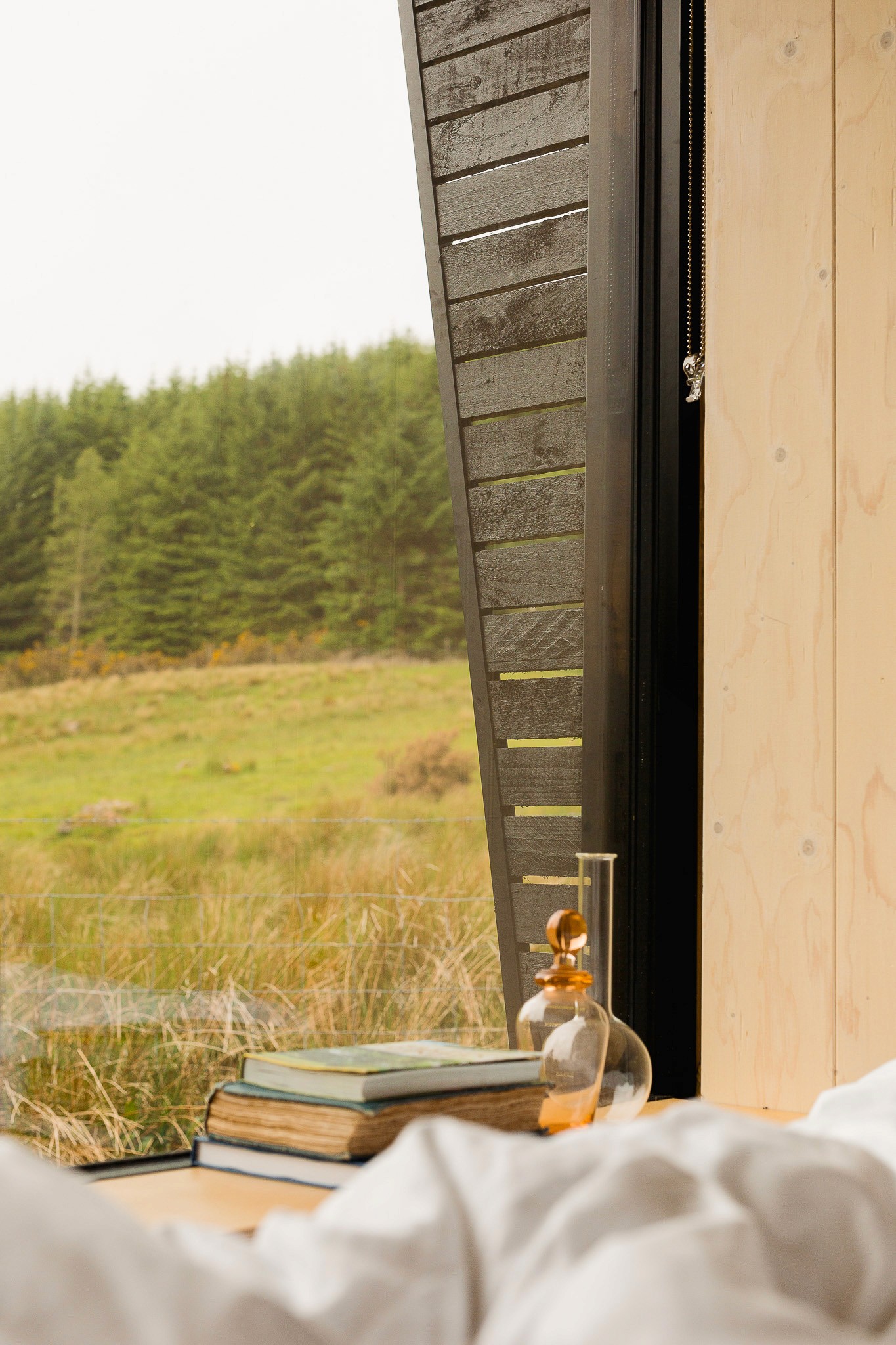
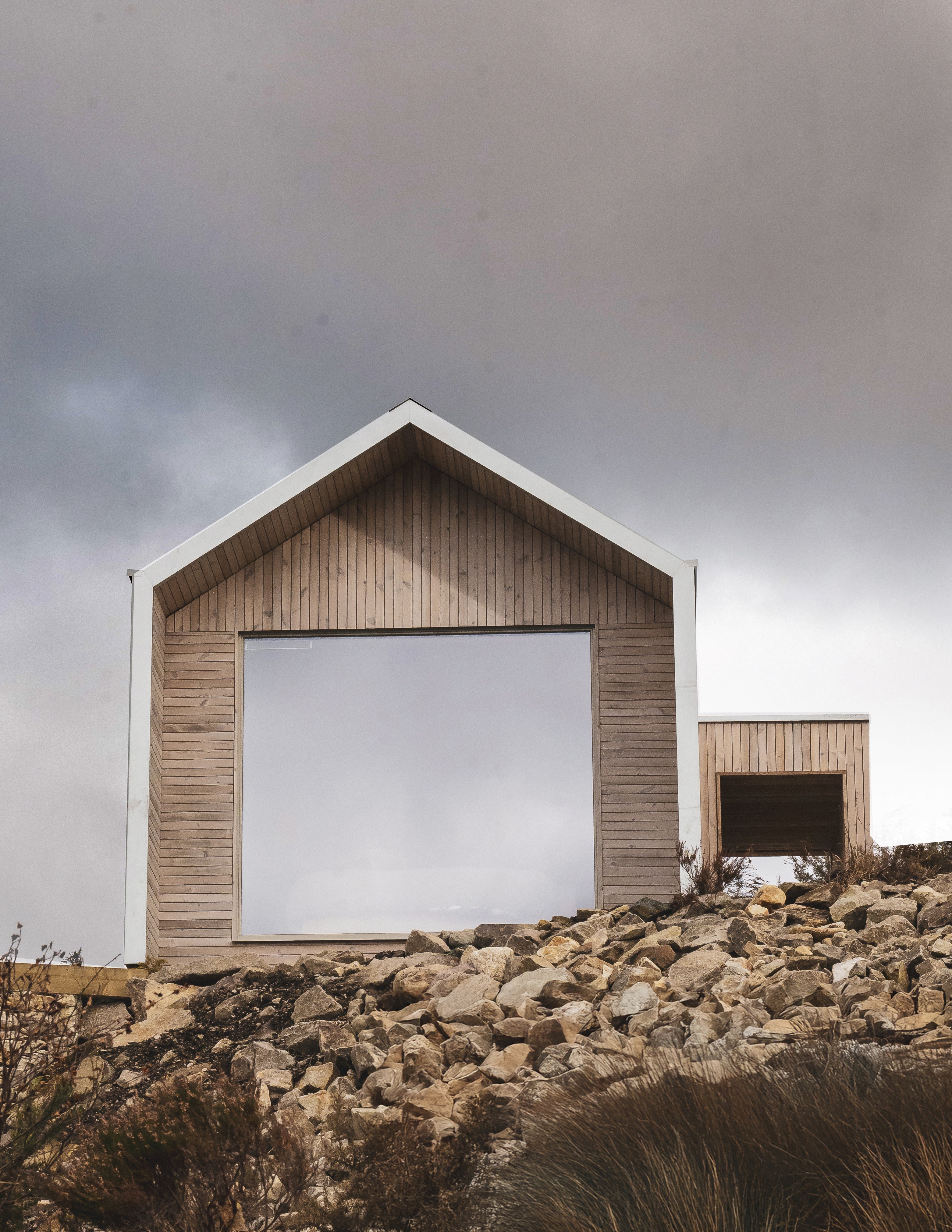
At Raasay, guest cabins, sauna cabins and communal gathering spaces were designed as an extension of the distillery experience itself.
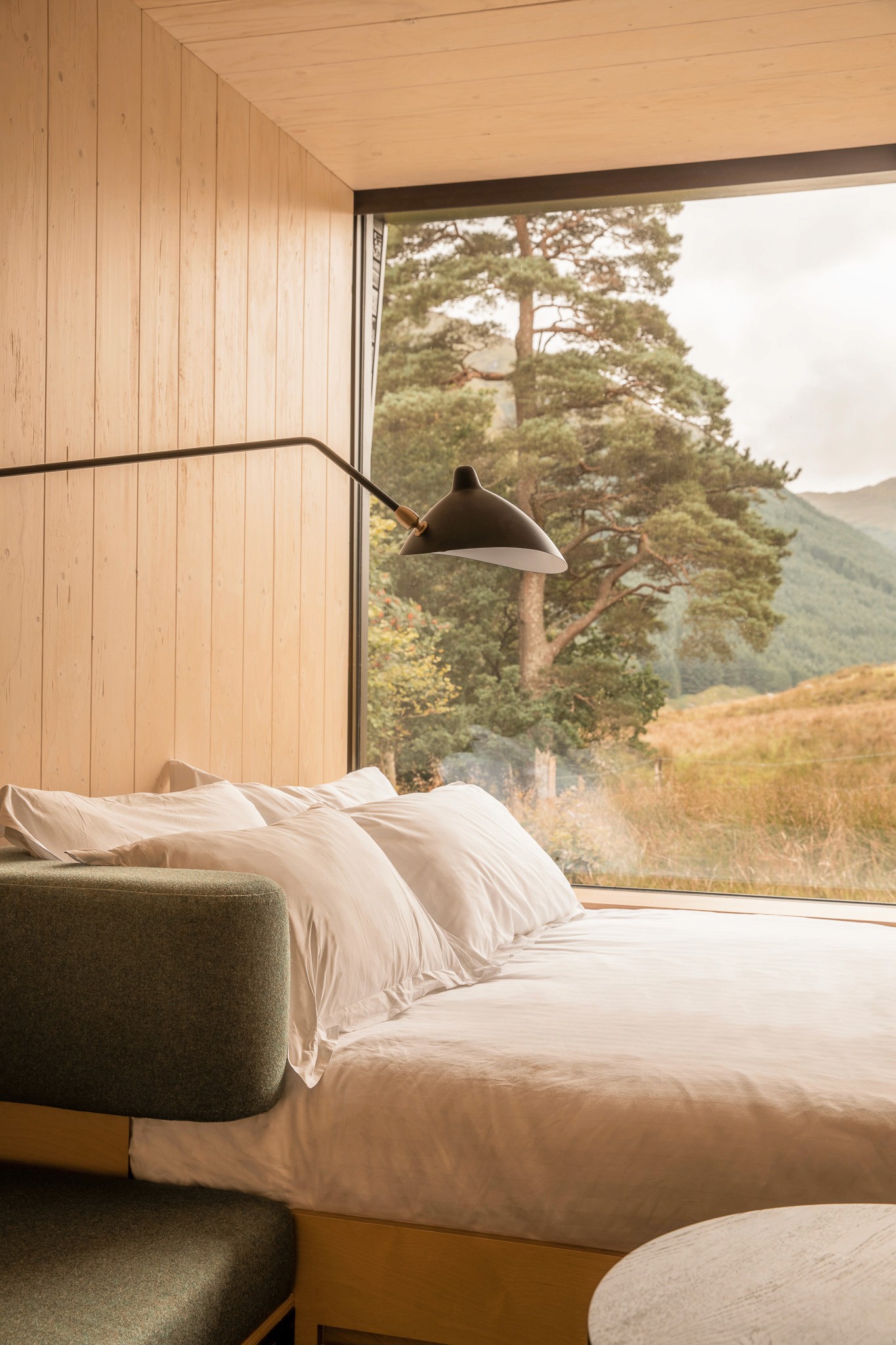
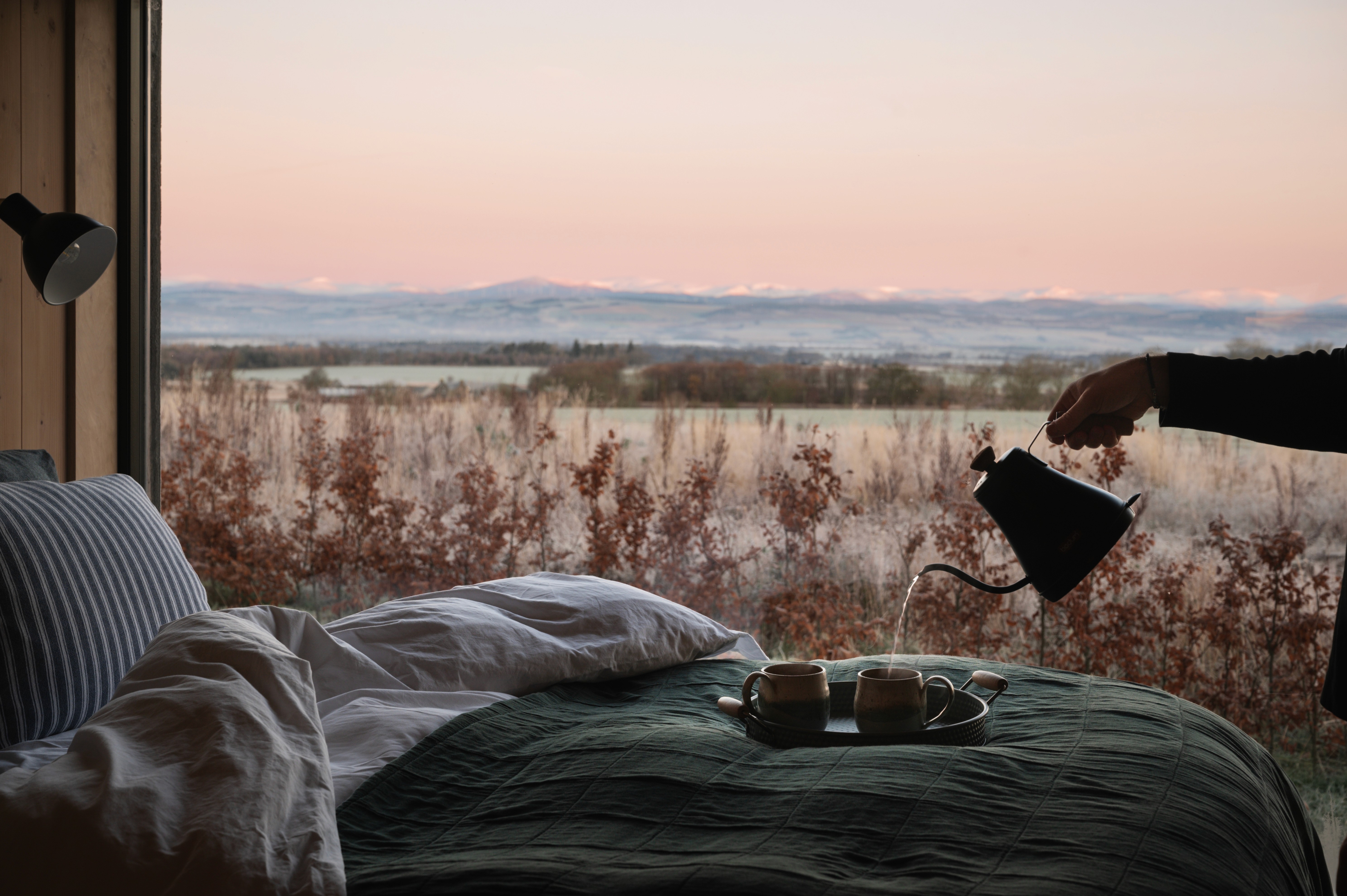
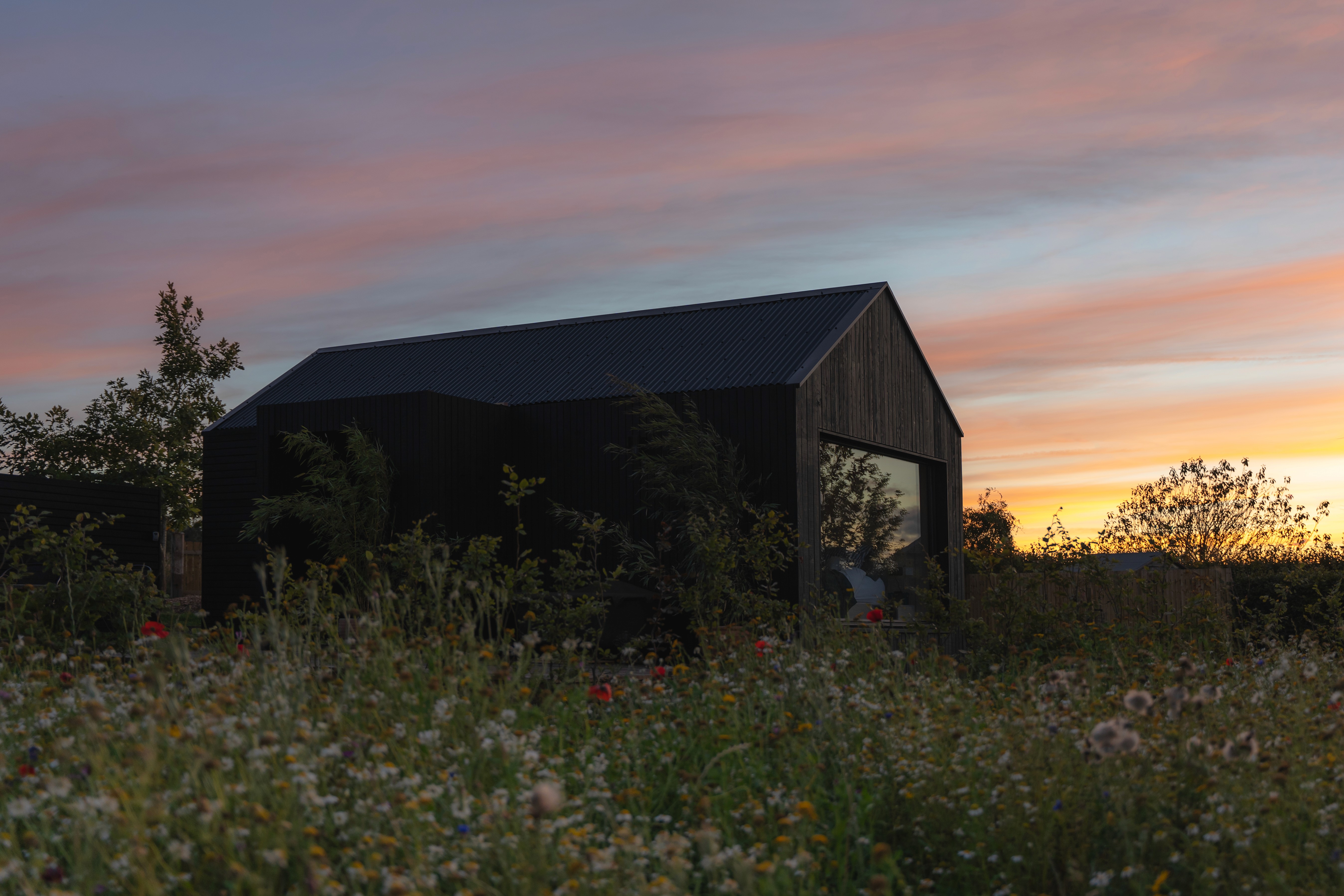
Positioned carefully across the sloping site to maximise outlook and privacy, the cabins frame expansive views across to Skye’s Cuillin mountains while creating moments of stillness and retreat within the landscape. Warm timber interiors, natural textures and subtle references to the distillery’s whisky heritage strengthen the connection between guest, brand and place.
In France, we adopted a similarly landscape-led approach at Château Puynard in Bordeaux, where cabins were carefully integrated amongst the vineyards to create a more immersive connection to the estate and its rhythms.
Meanwhile, at Dunsinnan Estate in Perthshire, what began as a single cabin immersed within the working farm has evolved into a wider masterplan featuring a collection of unique cabins alongside a leisure offering including loch watersports, a play park and sports facilities - all designed to respond to the growing number of visitors drawn to the area for walking, fishing and outdoor pursuits.
CREATING EXPERIENCES
This kind of landscape-led hospitality thinking is shaping the wider industry today. From vineyard retreats and wellness resorts to distilleries and rural hotels, operators are moving beyond the idea of a single centralised building and instead creating immersive experiences woven more thoughtfully through the landscape.
For S+Co and Corr, architecture, interiors and branding are simply different tools for achieving the same goal: creating places with a strong emotional identity and a genuine sense of connection to their surroundings.
Because ultimately, the most memorable hospitality brands aren’t just seen. They’re experienced.
Architecture, interiors and branding are simply different tools for achieving the same goal: creating places with a strong emotional identity and a genuine sense of connection to their surroundings.