The Art of Hospitality
At S+Co, our approach is rooted in hospitality, but it’s a way of thinking about design that extends far beyond hotels and restaurants.
“For us, hospitality isn’t just a sector - it’s a design principle,” explains founder and Creative Director Adam Storey. “It’s about creating places that anticipate needs, welcome people warmly, and guide them through an experience with care and clarity"
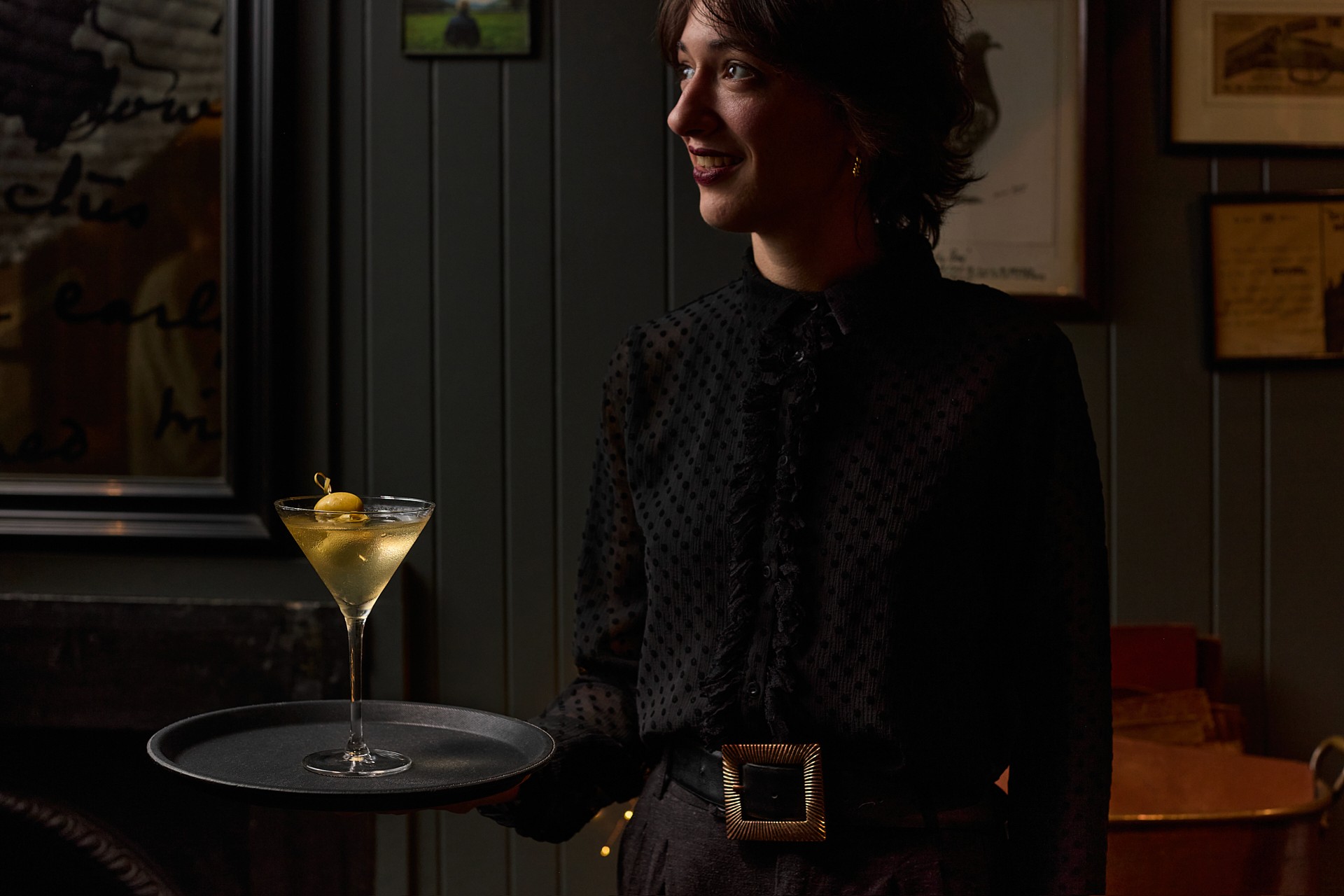
HOSPITALITY THINKING
Whether the setting is a retail flagship, a clinic, or an office, the same question drives us: how do we make people feel looked after?
"Think of the best hotel you've stayed in," says Architecture and Interior Design Director Graham Currie. "From the moment you step inside, the journey is considered. Someone greets you, offers a drink and explains the next step. The atmosphere feels purposeful but effortless. "This choreography if welcome, service and flow is exactly what we mean by 'hospitality thinking'.
beyond the sector
That choreography isn’t exclusive to hotels. It can be just as powerful when applied elsewhere. In retail, consumers increasingly choose where to shop based not just on product, but on how engaging or enjoyable the visit feels.
‘In 2022, a third of consumers sought some form of escapism from their retail experience, compared to just one in five before the pandemic’ Retail Economics, 2024.
Hospitality-led design thinking can appeal to these consumers by improving the customer journey: how a shopper is acknowledged on arrival, how they move through the store and how long they choose to stay.
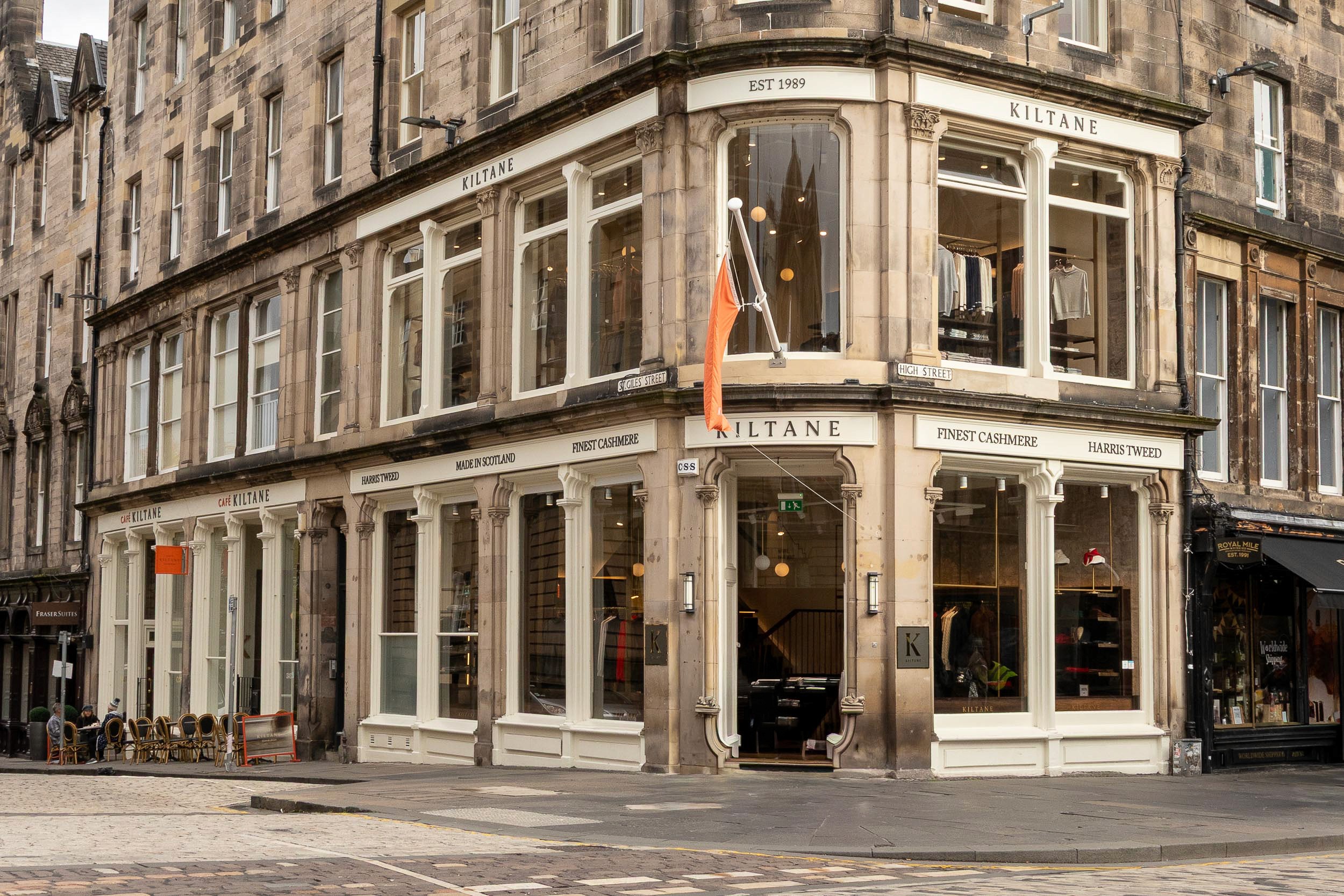
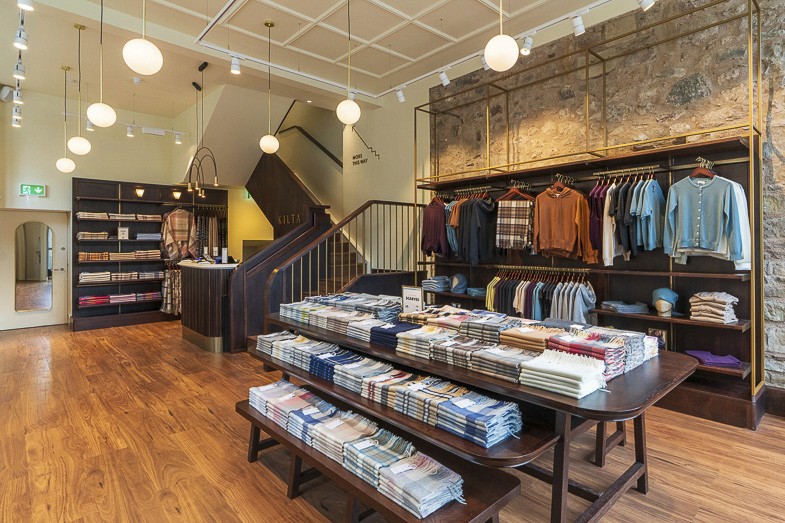
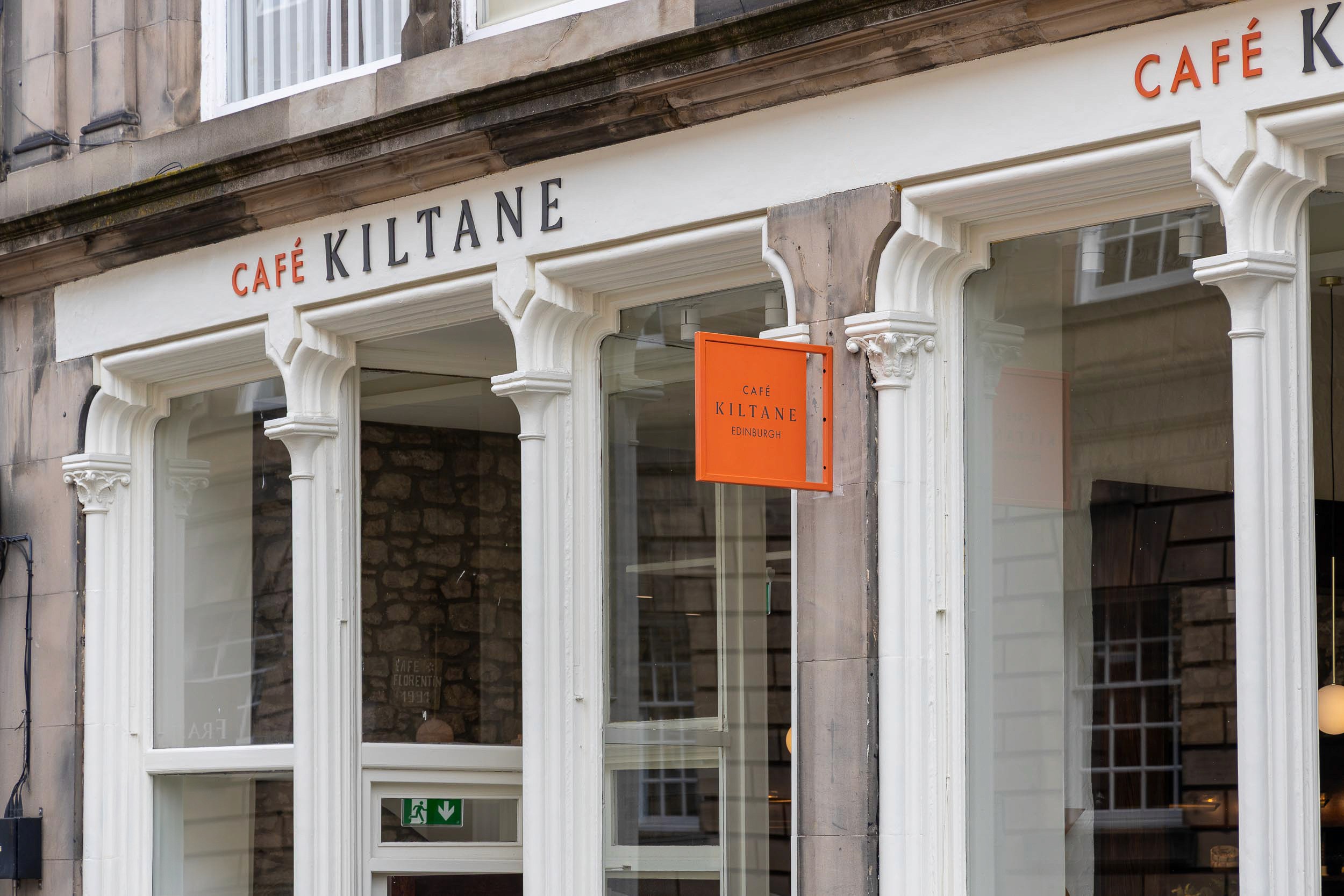
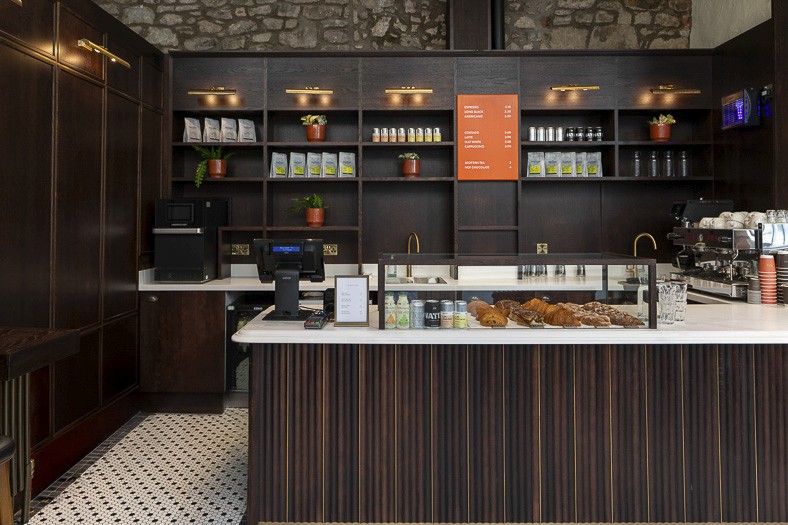
At Kiltane’s Edinburgh flagship, we redesigned the spaces to make flow more intuitive, repositioned the cash desk so staff could welcome guests immediately, and added a café - giving partners and families somewhere to relax while encouraging tourists and passers-by to linger - a subtle invitation to engage with the brand.
"In 2022, a third of consumers sought some form of escapism from their retail experience, compared to just one in five before the pandemic"
HOSPITALITY & HEALTH
The same human-first approach can transform clinics and health centres, turning client discomfort and vulnerability into something far more reassuring and pleasurable.
"Modern wellness providers are focusing on delivering inviting, exciting, and rewarding experiences for each client, combining high-tech treatments with relaxing lighting, music, and ambiance." 2025 Micro-Trends Report, The Global Wellness Institute
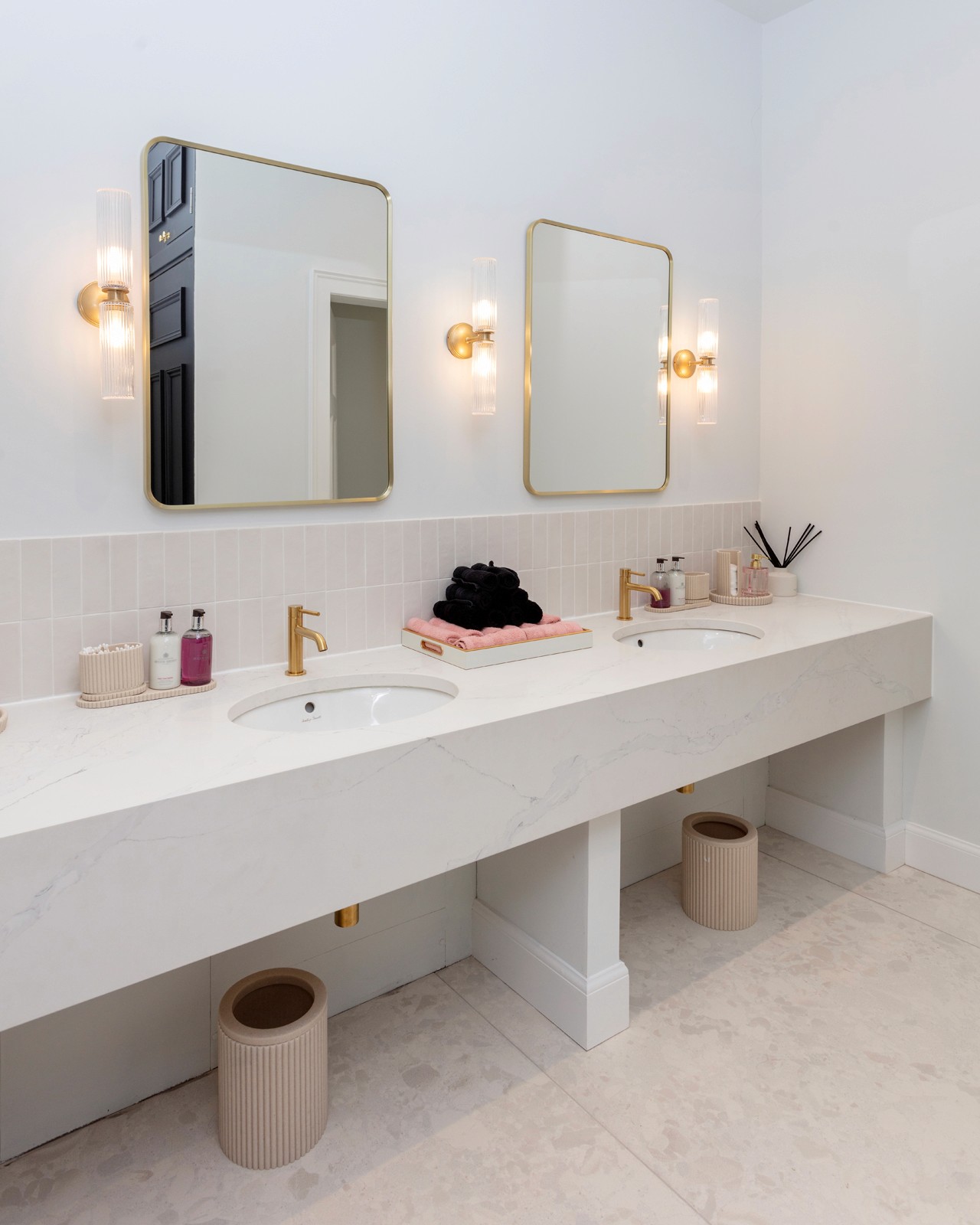
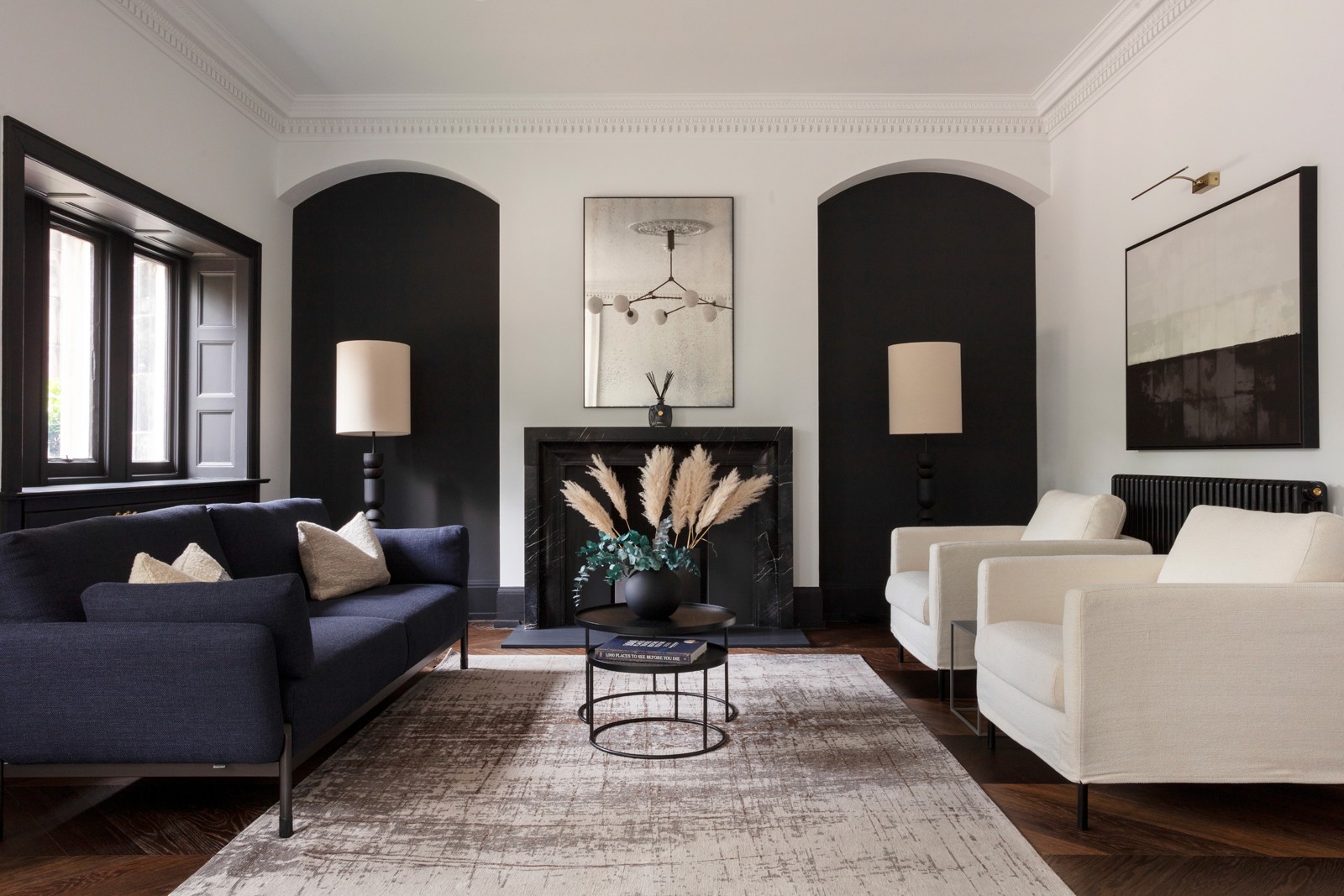
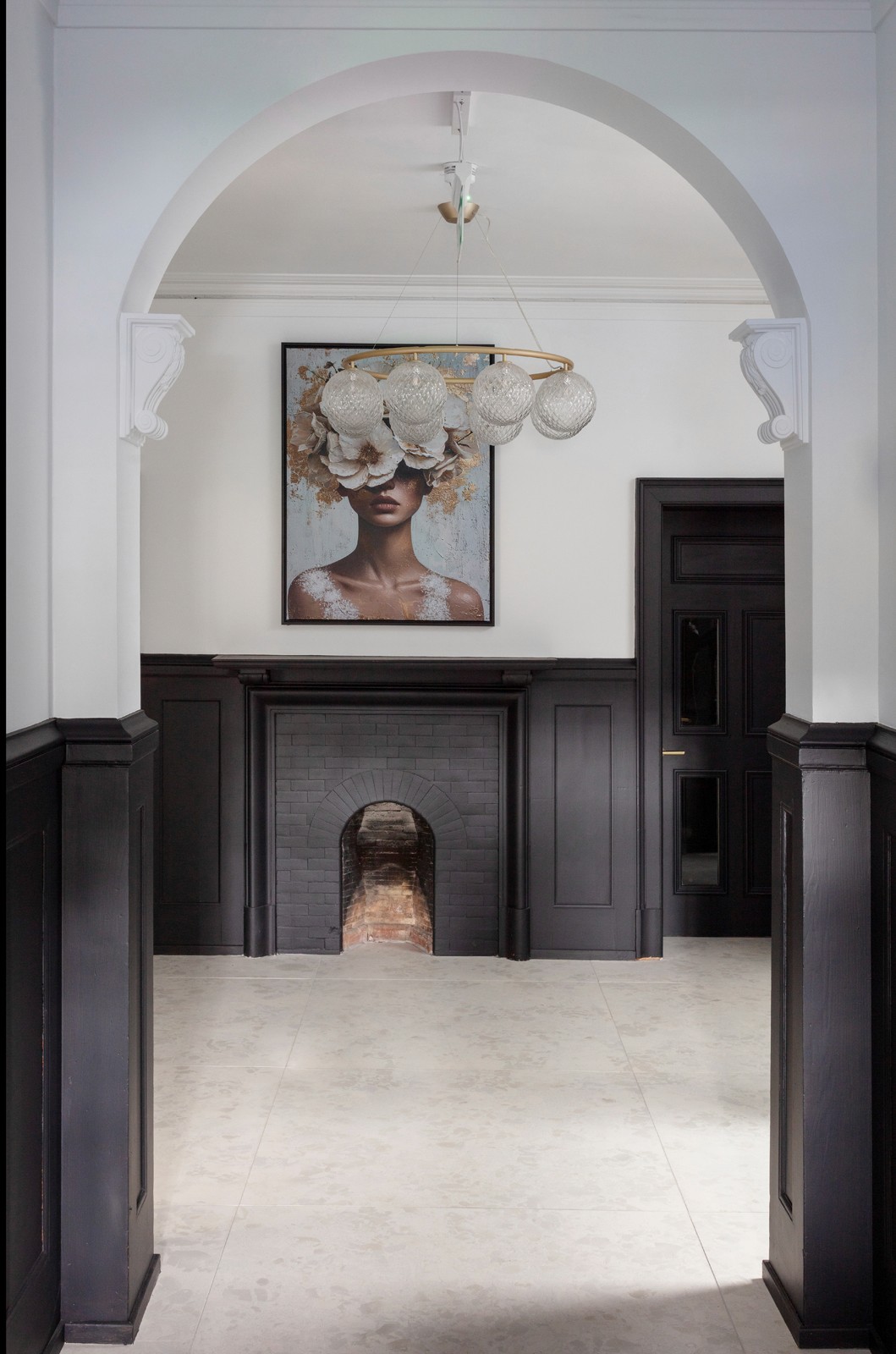
At Dr Nestor’s Medical Cosmetic Centre, we focused on creating a premium space where clients would feel taken care of. Patients are greeted in a chic and comfortable lounge, not a cold waiting room. Bathrooms echo a boutique hotel, with real towels and premium toiletries, while a fireside retreat offers calm after treatment. The clinical world remains uncompromised, but the emotional journey is softened, dignified, even indulgent.
"Modern wellness providers are focusing on delivering inviting, exciting and rewarding experiences for each client, combining high-tech treatments with relaxing lighting, music and ambiance"
HUMAN-CENTRED WORKPLACES
Workplaces can benefit from a host’s mindset too. Post-pandemic, offices must now compete with the comfort and convenience of home working.
The Gensler Research Institute’s Global Workplace Survey 2024 found that a high-performing workplace is no longer solely defined by building efficiency or space effectiveness, it is also measured by the workplace experience. Employees expect spaces that foster engagement, well-being, and connection.
“A great workplace must not only be a tool to get work done effectively but be intentionally designed for human emotion - creating exceptional experiences that support new ways of working,” says Janet Pogue McLaurin, Global Director of Workplace Research at Gensler.
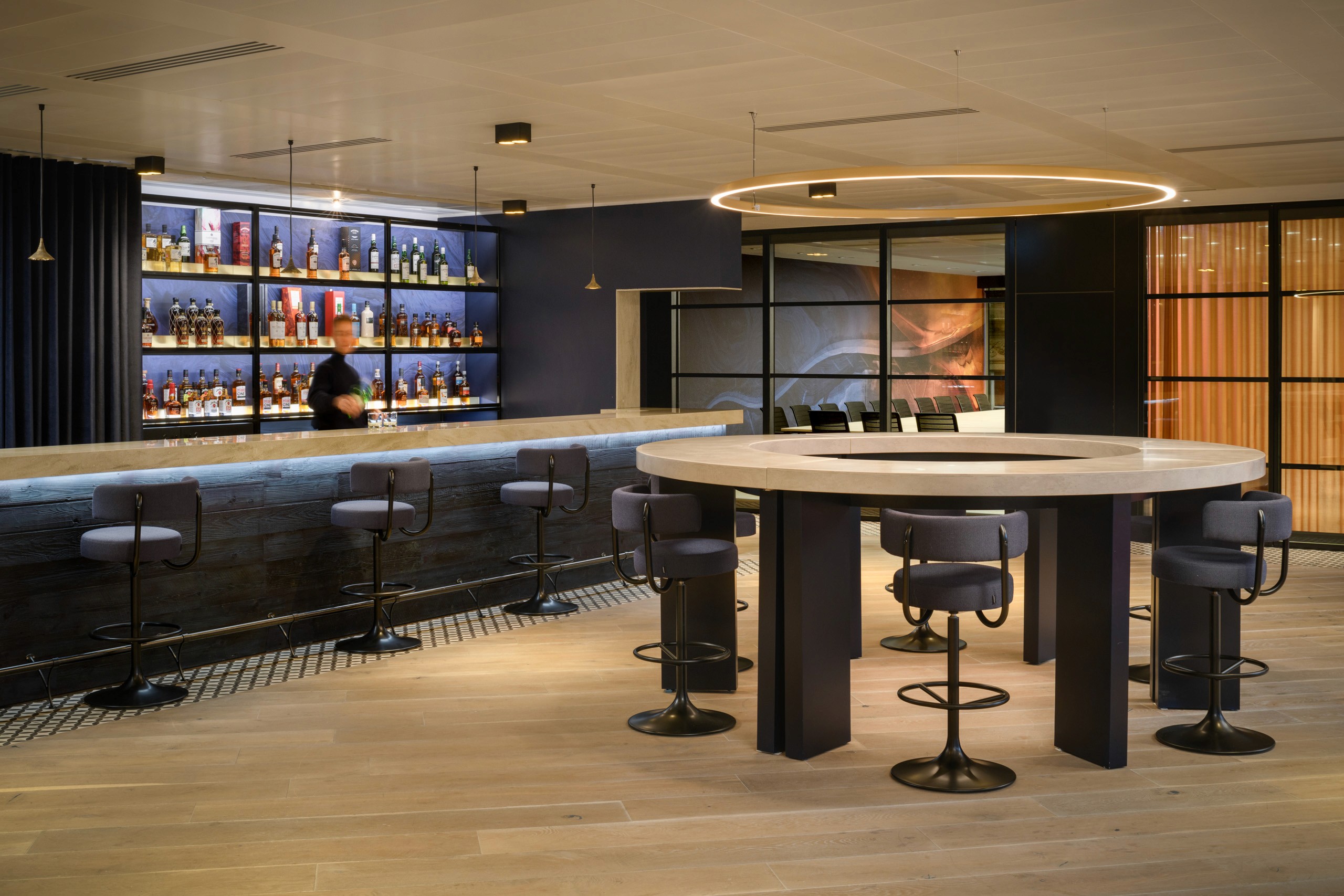
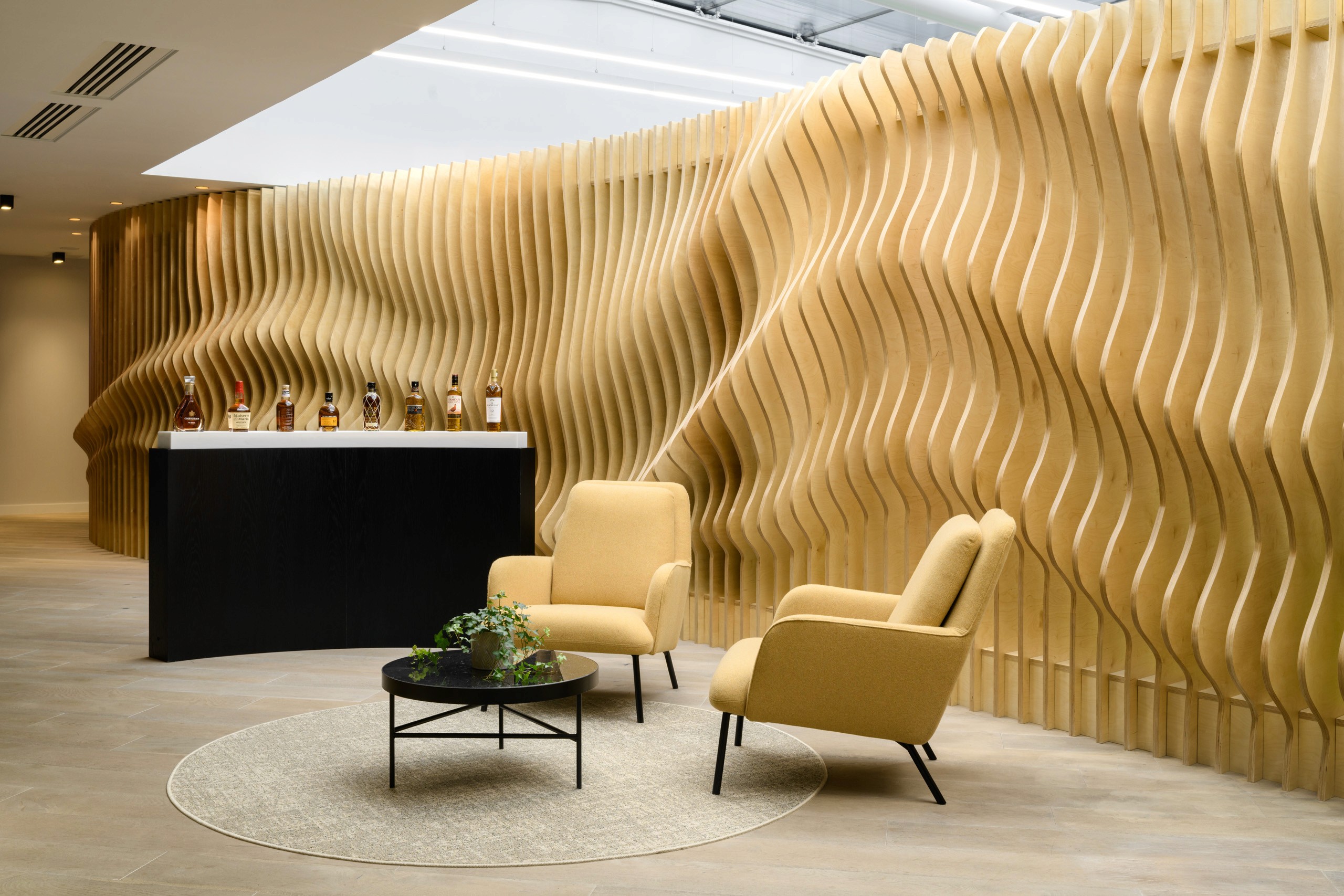
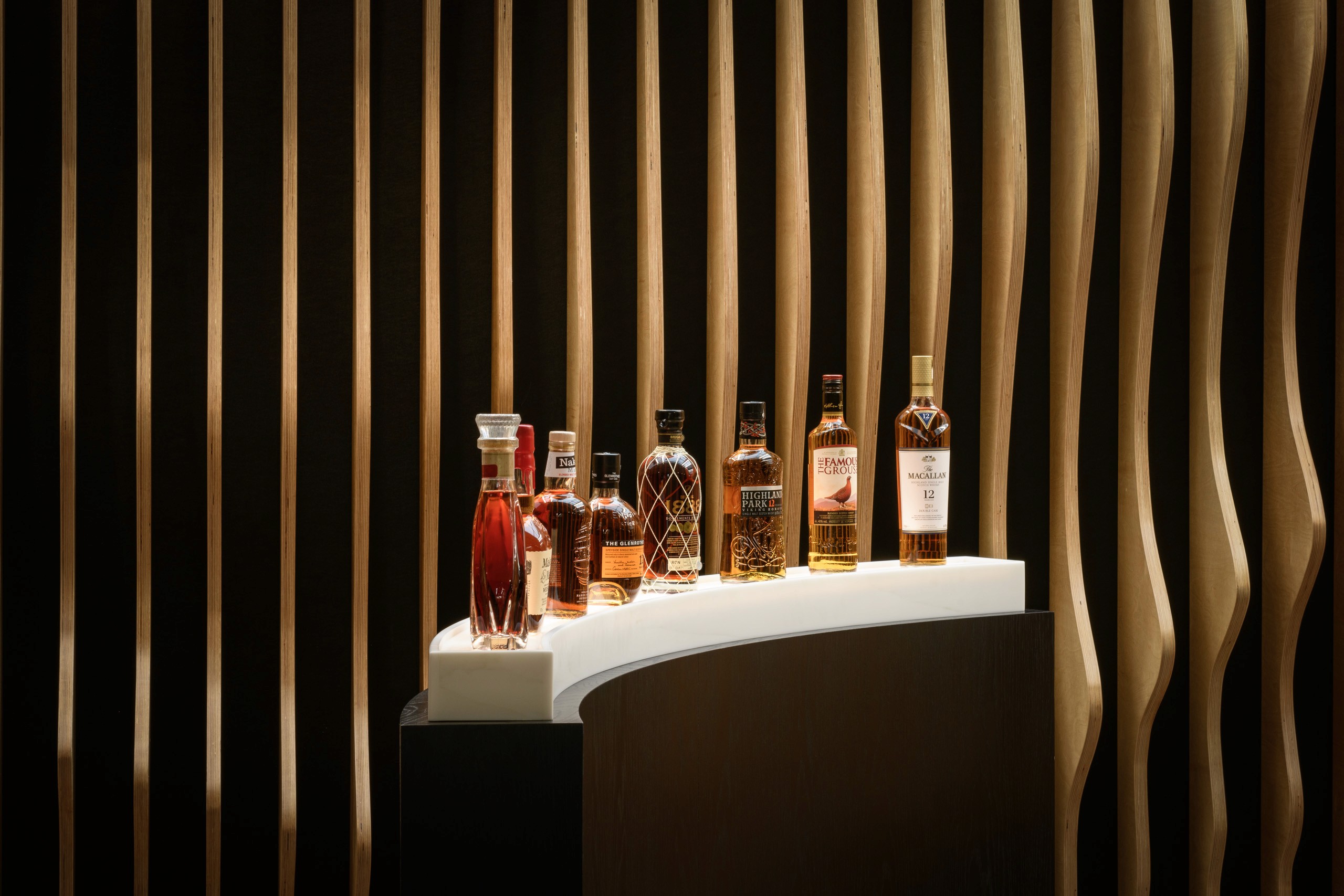
To achieve this at Edrington’s Glasgow HQ, we replaced a conventional staff canteen with a coffee bar and communal seating, encouraging connection. Reception became less transactional and more welcoming, with comfy furnishings and brand storytelling through displays. While breakout spaces were made to feel more like social lounges than corporate meeting points.
"A great workplace must not only be a tool to get work done effectively but be intentionally designed for human emotion - creating exceptional experiences that support new ways of working"
The operational ballet
Of course, delivering this kind of experience isn’t only about the guest-facing world. One of hospitality’s most significant considerations is the balance between front of house - the stage on which the guest journey plays out - and back of house - the hidden engine that supports it.
“At the Royal High School project, soon to become Scotland’s National Centre for Music, we’re choreographing these worlds carefully,” says Graham. “Staff operations - deliveries, kitchens, and circulation routes - are designed to remain discreet, never clashing with the visitor flow.”
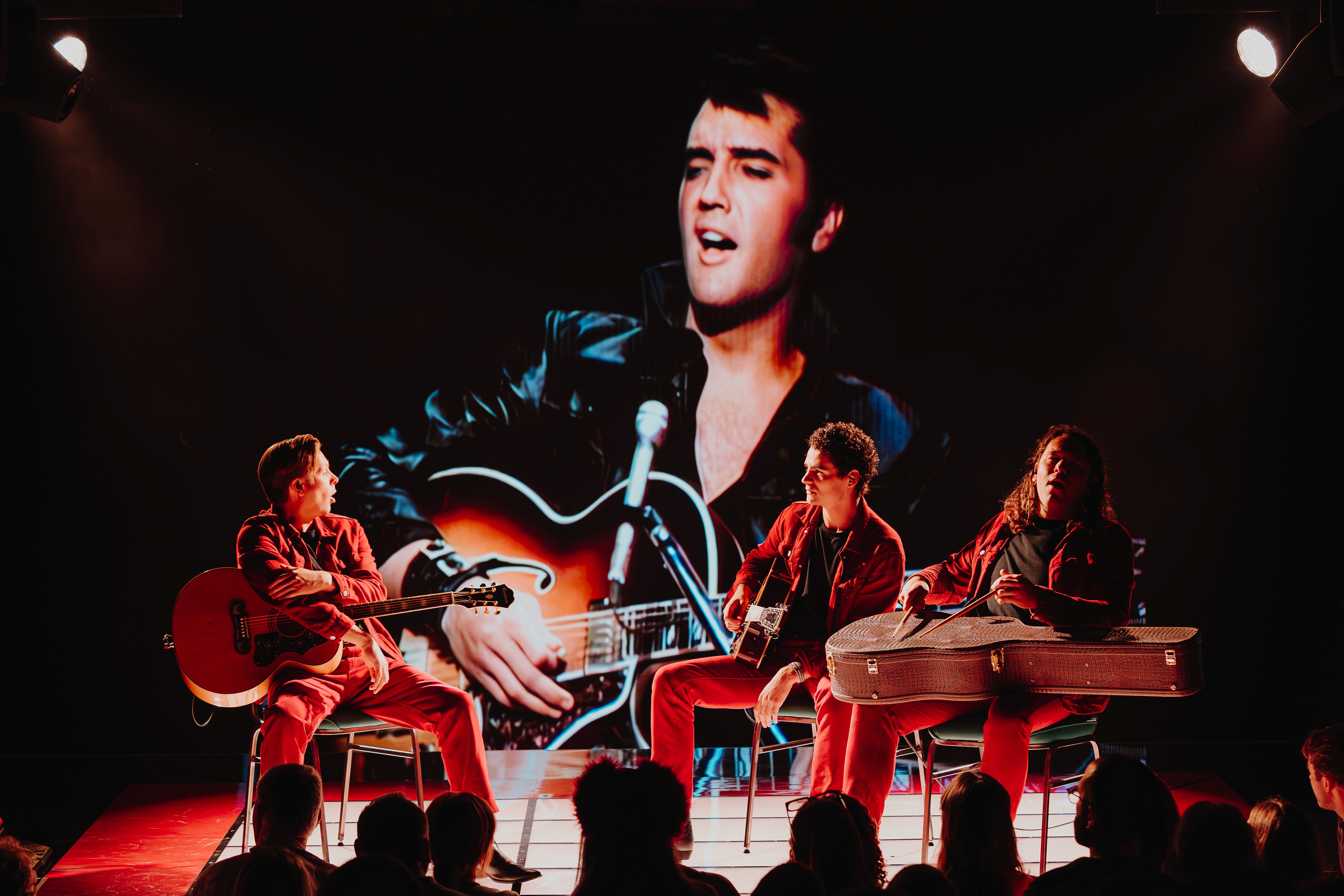
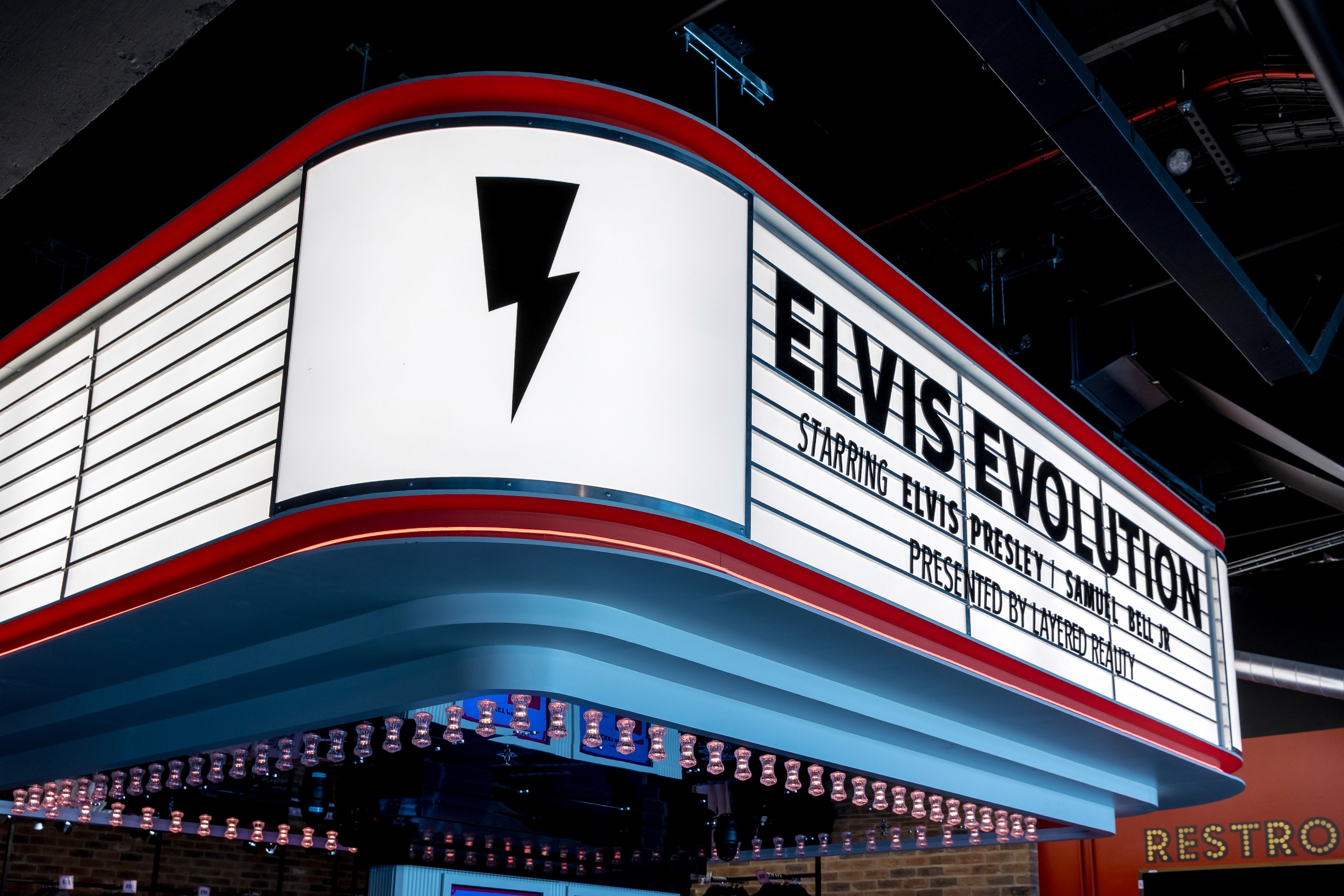
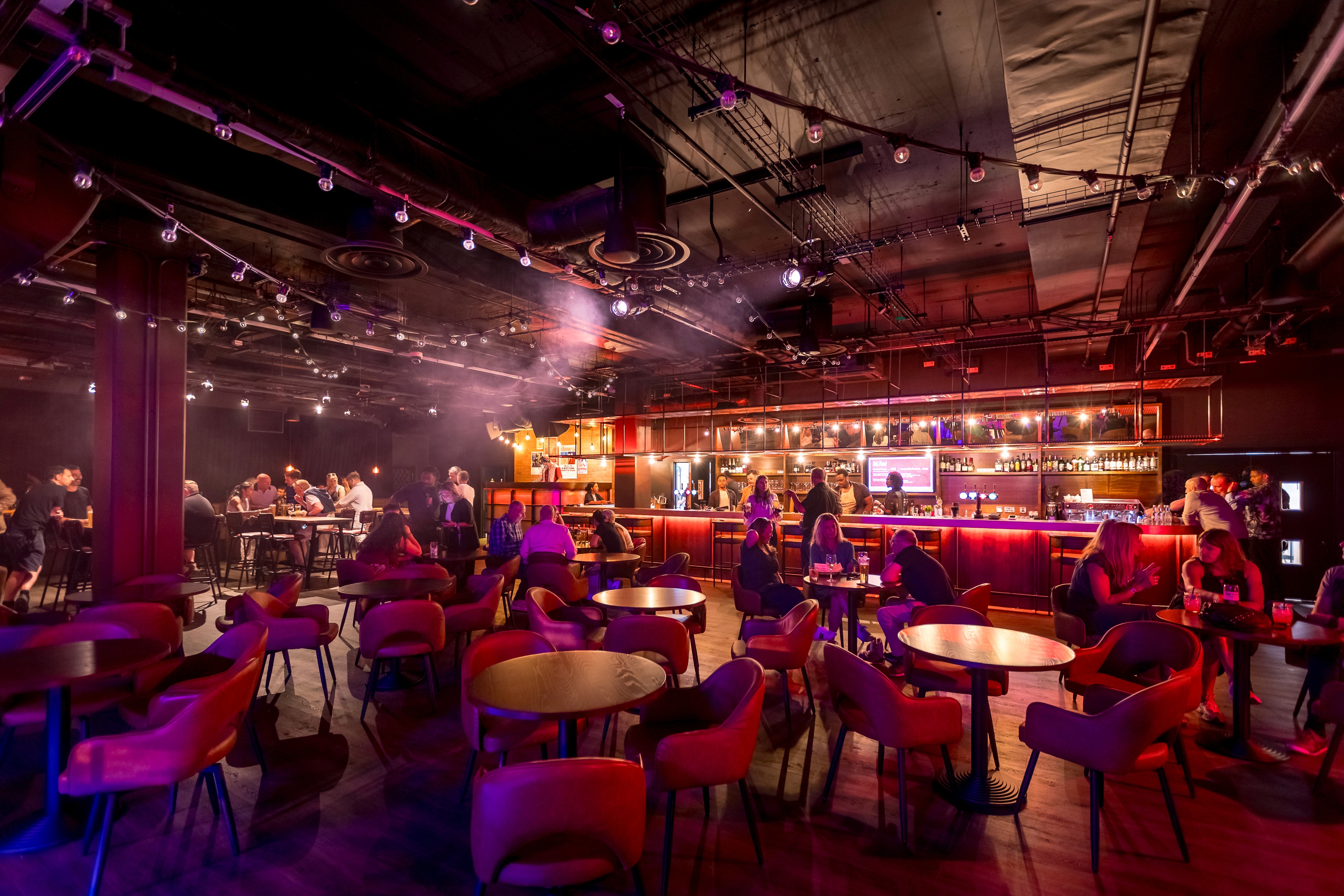
The same was true for our work on Elvis Evolution, where immersive storytelling demanded a guest experience that felt magical, supported by a tightly orchestrated operational layer. When front and back of house align, the host’s promise - to welcome and guide without friction - is fulfilled.
“Ultimately, our approach is about empathy,” Adam concludes. “It’s about anticipating needs before they’re voiced, creating comfort where there could be friction, and designing spaces that make people feel seen and valued.”
By weaving hospitality-led design into our projects, we create environments that elevate the journey from ordinary to extraordinary. Because the best spaces don’t just function - they look after people, making them feel at home, wherever they are.
"“Ultimately, our approach is about empathy. It’s about anticipating needs before they’re voiced, creating comfort where there could be friction, and designing spaces that make people feel seen and valued"